Stranded? Your Quick Guide to Emergency Towing & Roadside Safety
There is never a “good” time for a breakdown. Whether it’s a flat tire at midnight, an engine overheat during rush hour, or an unfortunate fender bender, needing an emergency tow is one of life’s most stressful inconveniences.
When you’re stuck on the shoulder of the road, knowing what to do next can be the difference between a minor delay and a dangerous situation.
1. Safety First: What to Do While You Wait
Before you even pick up the phone, ensure you and your passengers are out of harm’s way.
- Move Off the Road: If the vehicle is still movable, get as far onto the shoulder as possible.
- Increase Visibility: Turn on your hazard lights immediately. If it’s dark, keep your interior dome light on so other drivers can see the silhouette of your vehicle.
- Stay Inside (Usually): If you are on a busy highway, it is generally safer to stay buckled inside the car. If you must exit, do so through the door away from traffic.
2. What Qualifies as an “Emergency” Tow?
While some people schedule a tow for a project car, an emergency service is designed for immediate response. You should call for emergency towing if:
- Your car is blocking a live lane of traffic.
- You are in an unsafe or secluded area.
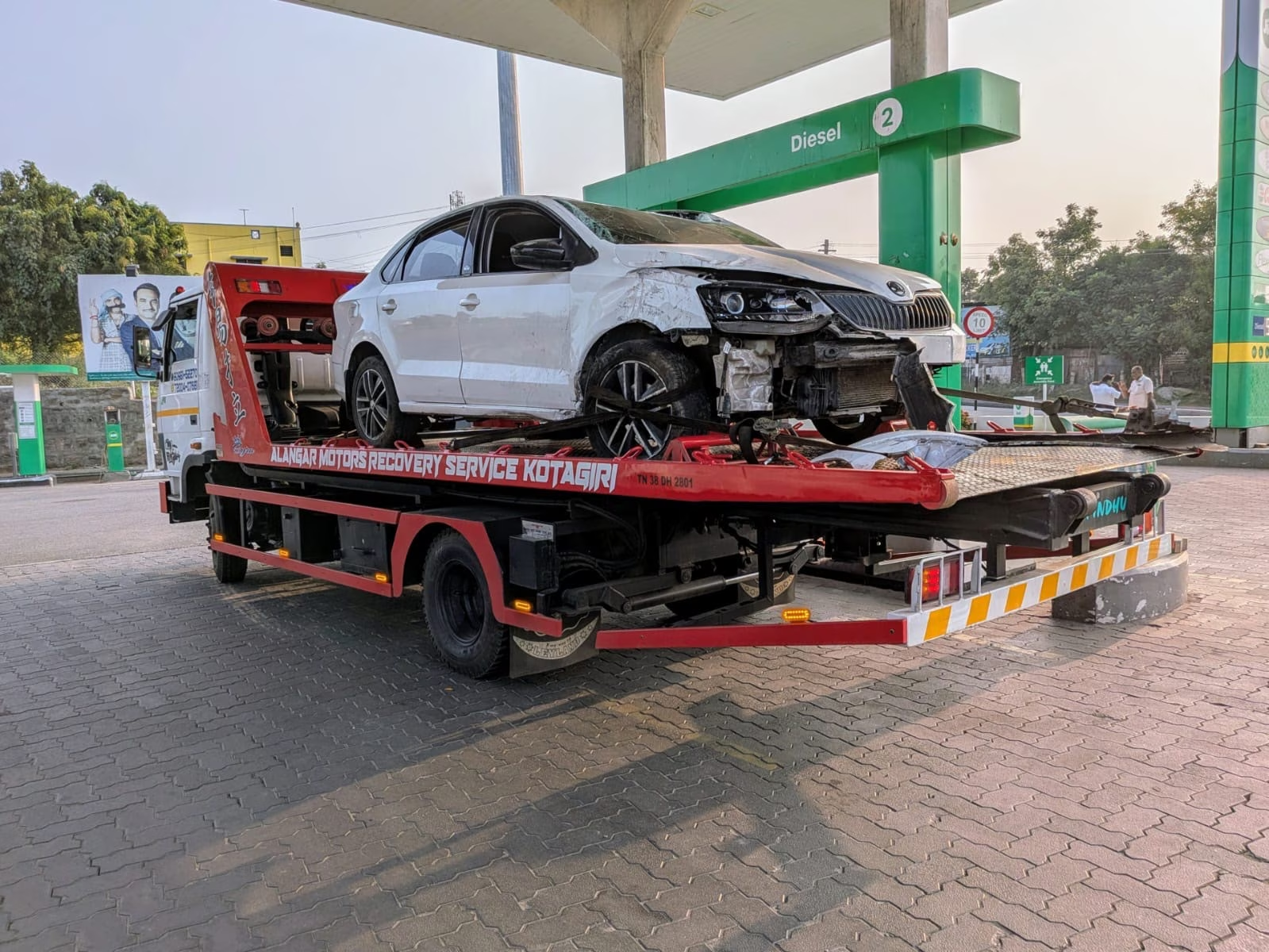
- The vehicle has suffered significant accident damage (leaking fluids, deployed airbags).
- You are stranded in extreme weather conditions.
3. What to Tell the Dispatcher
To get the right truck to you quickly, have this information ready:
- Your Exact Location: Use landmarks, exit numbers, or drop a “pin” on your smartphone map.
- Vehicle Type: Tell them if you have All-Wheel Drive (AWD). AWD vehicles usually require a flatbed truck to prevent transmission damage.
- The Situation: Is the car stuck in a ditch? Is it a mechanical failure or a crash? This helps the driver bring the right equipment (like winches or dollies).
Leave a Reply